


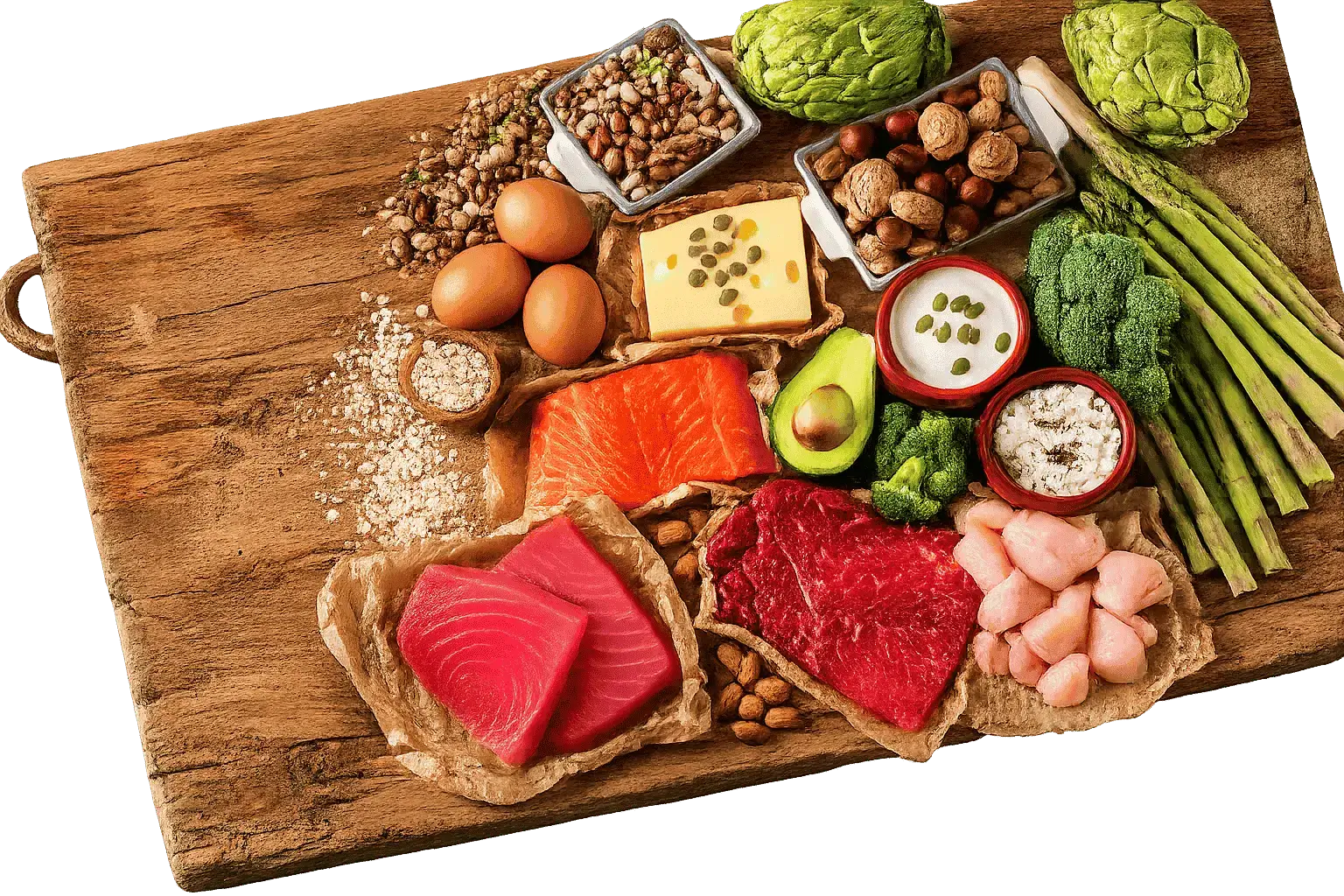
The modern concept of sustainable diets is quite ambitious because it assumes that such diets will not only have minimal impact on the environment but will also contribute to food and nutrition security, in addition to ensuring good health of people living now and in the future. Moreover, according to the modern concept, sustainable diets should also be environmentally friendly, culturally acceptable, economically viable and accessible, and most importantly, nutritionally adequate, safe, and healthy diets that optimize the use of natural and human resources. Due to growing numbers of the global population and increasing pressure on the environment as a result of agriculture, the study of this field became particularly important.
From a historical perspective, the debate concerning dietary preferences has been largely rooted in health, longevity, and the avoidance of diseases. Nevertheless, today’s science firmly asserts that the processes of food production, processing, transportation, consumption, and food waste management are extremely damaging and destructive for the natural environment, as they are responsible for global-scale emissions of greenhouse gases, extensive land use needs, and drastic changes in freshwater resources. Therefore, food and health institutions, as well as urban alliances worldwide, strive to encourage a shift in the direction of sustainability in regard to human consumption of food products. This process is extremely difficult to implement due to the need for comprehensive reforms in all spheres of food production and consumption.
The current body of knowledge on sustainable eating patterns is immense and growing fast, although it is still fundamentally marked by a certain level of complexity. The main issue that research has tried to resolve is easy to grasp but difficult to address. What are the eating patterns that reliably offer environmental advantages without any negative impact on nutrition? Using systematic review, epidemiological studies, and life cycle assessment, researchers have been able to develop a better understanding of the environmental impacts of different dietary practices, from complete veganism to well-balanced omnivore diets.
The Core Metrics of Environmental Impact
For assessing the sustainability of diets, scientists use various environmental indicators. Among them, the most well-known are the emissions of greenhouse gases, land use requirements, and the amount of water usage. All three factors are often estimated by means of a life cycle assessment, which considers the environmental effects associated with the production process starting from the extraction of raw materials until the delivery of the goods to farms, and in scientific studies, until their consumption and discarding by consumers.
Emissions of greenhouse gases are usually calculated in the form of carbon dioxide equivalents and considered the main factor reflecting the contribution of a particular diet to global warming. Raising of animals, especially ruminants, is known to be one of the major sources of agricultural emissions. Land use implies an estimate of total land needed for growing food and raising animals. In turn, this metric directly affects environmental issues, such as global deforestation, deterioration of soils, and biodiversity loss.
The water footprint is especially complex and frequently misinterpreted index and is normally divided into three components, which include the green, blue, and grey water footprint. Green water footprint is the quantity of rainfall used in the process of growing food crops and mainly encompasses the water found in soil due to rainwater that facilitates crop production. Blue water footprint is basically the use of freshwater from both lakes, rivers, and underground sources like aquifers. Although there have been records of blue water in scientific journals, it is important to state that water footprints are not necessarily an indicator of local water shortages since this is the real ecological problem facing drought-prone regions.
Diets Characterized by Reduced Animal Products
There is an overwhelming agreement among the scientific literature in terms of showing that diet regimes with minimal to zero intake of any animal food source always have less of an environmental impact than a typical omnivorous diet regime. This trend has been observed to correlate with the level of intake of animal-based products. In other words, a diet regimen devoid of all animal-derived foods is the best choice for reducing dietary environmental impacts.
Vegan Dietary Patterns
Vegan diets, which completely exclude all forms of animal-derived products, are universally associated with the lowest levels of greenhouse gas emissions among all assessed dietary patterns. Comparative analyses demonstrate that vegan diets can yield greenhouse gas reductions ranging from 32% to 49% when compared to reference omnivorous diets. This impressive reduction generally surpasses the environmental benefits of dietary patterns that merely align with standard health guidelines while still incorporating moderate animal proteins. Furthermore, the total exclusion of animal agriculture significantly lessens land requirements, with studies estimating that vegan diets utilize between 50% and 87% less land than conventional average diets.
However, the impact of vegan diets on global water resources presents a more complex narrative. While overarching meta-analyses adjusting for study location and other covariates indicate that vegan diets possess fundamentally lower total water footprints—demonstrating reductions of approximately 25.2% in total water use, 26.1% in green water use, and 11.6% in blue water use—other reviews highlight conflicting or mixed findings. In certain specific scenarios, the blue water footprint of a vegan diet has been found to be similar to, or even slightly greater than, that of a reference diet. This discrepancy frequently arises from the high water demands associated with cultivating specific plant-based staples, such as tree nuts, seeds, and certain water-intensive fruits and vegetables.
Vegetarian Dietary Patterns
Vegetarian diets, which lack meat but may still incorporate dairy products and eggs, also come with a significant number of environmental benefits. As shown by environmental studies, vegetarian diets tend to rank second after vegan diets in terms of their ability to counter ecological impact. Average greenhouse gas emissions reduction figures in the case of vegetarian diets have been documented as ranging from 27% to 35%. The land usage reductions have also been recorded at about 42% to 51% when compared to average diets.
In terms of total water use, vegetarian diets also show a reduction in median water use when compared with typical average diets. Life cycle models adjusted to account for this show lower amounts of total, green and blue water footprints among reduced meat diets including vegetarianism. However, localized studies sometimes produce exceptional results in this regard, showing greater water footprints among vegetarian diets than those found among the omnivorous group of diet followers.
The Mechanics of Strategic Substitutions
While the complete elimination of animal products yields the most pronounced environmental savings, strict exclusion is not universally promoted as the sole avenue for achieving dietary sustainability. Strategic substitutions—the act of replacing foods exhibiting high ecological footprints with calculated alternatives that boast lower impacts—offer a highly practical and effective middle ground for the general population.
A distinct, scientifically verified gradient exists between the specific type of animal product consumed and its corresponding greenhouse gas emissions. Diets that actively minimize the intake of ruminant meats (such as beef and lamb) and heavily processed meats invariably produce significantly fewer emissions than diets heavily reliant on these primary sources. Notably, dietary emissions are drastically reduced when all ruminant meat and dairy are directly substituted with monogastric meats (such as poultry and pork). Alternatively, replacing targeted portions of meat and dairy with plant-based proteins yields immense environmental dividends. Conversely, merely replacing meat with dairy products, or substituting meat with plant-based foods while simultaneously maintaining high dairy consumption, tends to result in negligible reductions in greenhouse gas emissions and land use.
Total caloric intake represents another critical determinant of a diet’s true sustainability. Standard reference diets in developed Western regions are frequently high in calories and heavily energy-dense. The environmental benefits observed in alternative diets can often be partially attributed to an overall reduction in total caloric intake rather than mere compositional changes to the food matrix. Research vividly highlights that reducing total energy intake by curtailing the consumption of energy-dense, nutrient-poor foods—such as alcohol, sugary sweets, and hot beverages—can be remarkably beneficial. In fact, contemporary reviews note that cutting the intake of these non-essential items by half can effectively reduce greenhouse gas emissions to the exact same extent as reducing meat consumption by 30%.
Furthermore, the implementation of isocaloric replacements (the mathematical matching of the exact calories of a removed food with a substitute) demands careful environmental consideration. If the calories derived from a 20% reduction in meat intake are not replaced, greenhouse gas emissions drop substantially. However, if those heavy meat calories are isocalorically replaced with massive volumes of other foods to maintain energy balance, the net environmental savings shrink considerably. Furthermore, the environmental impact per calorie is often intrinsically higher for certain fruits and vegetables than for meat or dairy, meaning that careless, unstructured substitutions can inadvertently inflate water use and land demand despite successfully lowering carbon emissions.
The Paradox of “Healthy” Guideline Diets
It is commonly presumed that following a diet consistent with government health recommendations or the scientific consensus on healthy food patterns is inherently environmentally positive. The general finding from the aggregate literature is that a diet aligned with recommendations will have less of an impact environmentally compared to the average diet. However, the finding is consistently surprising in its lack of consistency. There is virtually no environmental metric where the benefits associated with being a healthy eater do not get overshadowed by reducing animal foods.
Guideline-Adherent Diets
Strict adherence to the country’s national food-based dietary recommendations results in a typical median reduction of around 12% greenhouse gas reductions in comparison to reference diets. Nevertheless, there is tremendous variation in these data. On one hand, some diets recommended to be healthy omnivorous diets reduce greenhouse gas emissions by 23%. On the other hand, some studies do not record any statistical change in emissions or even an increase in them in the range of 9-12%. This variability is caused by the different composition of recommended diets in different countries, different scope of scientific assessment, and different values of food losses from the consumer side.
It turns out that the link between the best possible nutritional quality and minimum environmental burden is definitely not linear. In highly nutritious diets, the share of fresh fruits, vegetables, nuts, and seafood usually increases. Although this is extremely good for human cardiovascular and metabolic systems, it may accidentally result in an increased carbon footprint and blue water footprints. Thus, nutrition that is beneficial for humans does not have to be optimized in terms of its environmental effects.
Healthy Dietary Patterns: The Mediterranean and Nordic Models
Renowned healthy dietary patterns, particularly the traditional Mediterranean diet and its regional variants (such as the New Nordic and Atlantic diets), are characterized by a heavy emphasis on plant-based foods, whole grains, and healthy monounsaturated fats, with a concurrent limitation on red meat and processed foods. When subjected to rigorous environmental scrutiny, these diets demonstrate modest ecological benefits.
The Mediterranean diet has been shown to decrease greenhouse gas emissions by approximately 10% and reduce global land use by nearly 20% compared to standard Western diets. Water footprint assessments for the Mediterranean diet, however, present a mixed consensus; while some meta-analyses indicate a 10% reduction in water use due to fundamentally lower meat consumption, others suggest that the high reliance on irrigated crops and tree nuts can cause the localized water impact to equal or surpass that of conventional diets. Thus, while the Mediterranean and New Nordic diets serve as excellent blueprints for human longevity, their overarching environmental sustainability relies heavily on localized agricultural practices and precise daily food selections.
Methodological Limitations and Contextual Nuances
Interpreting the data surrounding sustainable diets requires a critical understanding of the methodological limitations inherent in the existing research. A significant hurdle is the profound heterogeneity in the methods utilized to measure both dietary patterns and their corresponding environmental outcomes. Many studies fail to utilize a common unit of comparison, such as explicitly standardizing diets to an isocaloric baseline. When total caloric intake remains unstandardized across cohorts, it becomes highly difficult to ascertain whether observed reductions in environmental impact stem from inherently sustainable food choices or simply from a lower overall volume of absolute food consumption.
Moreover, broad categorizations of dietary patterns often obscure the vast inter-individual differences that exist within those patterns. For instance, two individuals adhering strictly to a vegetarian diet may make drastically different daily food choices; one might rely heavily on locally cultivated whole grains and seasonal root vegetables, while another might consume high volumes of highly processed meat alternatives, dairy cheese, and imported, water-intensive crops. These individualized choices can lead to highly divergent ecological footprints despite both individuals sharing the exact same overarching dietary label.
Geographic and contextual factors further complicate the global narrative. An environmentally sustainable diet carefully formulated in one country may not be remotely sustainable in another. For example, if a specific region boasts abundant freshwater resources but suffers from a severe lack of arable topsoil, the relative importance of dietary water footprints diminishes drastically, while the vital necessity of land-use optimization escalates. Furthermore, in warmer climates featuring longer growing seasons, agricultural yields are naturally higher, thereby effectively reducing the environmental impact per mass of food produced compared to regions with colder climates. Additionally, the specific topography of a nation may dictate that certain lands are only suitable for livestock grazing rather than field crops, entirely altering the baseline sustainability of local meat production versus imported plant foods. Therefore, cross-country dietary comparisons must be approached with caution, and dietary guidelines are vastly more effective when tailored to specific regional ecosystems.
Recent Updates and Expanding Dimensions of Sustainability
As the scientific approach to sustainability in nutrition moves further into the second half of the decade, the paradigm has come to encompass much more than basic carbon calculations. Modern-day scientific principles place an essential emphasis on ensuring that outcomes which were previously excluded from the analysis, including reductions in biodiversity, pollution of the atmosphere, depletion of natural resources, eutrophication of important waterways, and proliferation of invasive species, be included in the analysis. Although complete integration of these sophisticated measures presents extraordinary difficulties, it is unanimously acknowledged that this is crucial for avoiding the ecological downsides that inevitably occur from pursuing other benefits.
In addition, current scientific dialogue has also put emphasis on the socio-economic foundations of dietary sustainability. An eating habit cannot be considered sustainable in case it is economically unattainable or culturally irrelevant to the majority of the target group. Current models stress the importance of “true cost accounting,” which is an approach that specifically aims at exposing the underlying environmental and social costs involved in local production of food. This leads to a better understanding of the real sustainability of the particular diet. The approach thus prevents modern recommendations of sustainable eating from contributing to existing nutritional disparities within society.
Practical Implications and Actionable Recommendations
The synthesis of current scientific evidence provides a robust foundation for actionable strategies aimed at fundamentally optimizing the environmental sustainability of dietary patterns. Transitioning population intakes towards these sustainable models requires concerted, deliberate efforts from both public health practitioners and individual consumers.
- Prioritize the Reduction of Animal Products: The most effective, evidence-backed strategy for lowering a diet’s ecological footprint is to actively reduce the total intake of animal-based products. Individuals do not need to adopt strict veganism overnight to make a tangible difference; transitioning toward flexitarian or pescatarian models, or simply participating in dedicated meat-free days, yields highly significant environmental dividends.
- Implement Strategic Sourcing and Substitutions: When choosing to consume meat, opting for monogastric animals (such as poultry or pork) over ruminants (such as beef and lamb) drastically and immediately reduces dietary greenhouse gas emissions. Furthermore, regularly replacing portions of meat and dairy with legumes, lentils, and other minimally processed plant-based proteins can rapidly optimize land use and lower overall carbon footprints.
- Manage Caloric Intake and Reduce Empty Calories: Overconsumption directly translates to unnecessary, avoidable ecological strain. Aligning total caloric intake with individualized physiological needs is a fundamental step toward holistic sustainability. Specifically, cutting down on energy-dense, nutrient-poor items like processed sweets, alcohol, and heavily manufactured snacks can safely shrink a diet’s carbon and water footprint without compromising nutritional health.
- Select Water-Smart Produce: Recognizing that plant-based foods vary wildly in their environmental demands, consumers residing in drought-prone areas should be hyper-mindful of their blue water footprints. Deliberately choosing seasonal, locally adapted produce over water-intensive imported crops (such as certain tree nuts and out-of-season berries) actively supports regional water conservation efforts.
- Advocate for Nuanced Dietary Guidelines: Public health organizations and governing bodies must continue to update national food guides to explicitly integrate up-to-date environmental impact data. Guidelines should actively promote an optimized omnivorous or heavily plant-centric approach that provides clear, actionable instructions on sustainable food sourcing and precise substitution strategies, rather than relying solely on abstract nutritional metrics.
- Minimize Consumer Food Waste: While not strictly categorized as a dietary pattern, the active mitigation of food waste at the consumer level is intrinsically linked to dietary sustainability. Planning meals carefully, utilizing the entirety of purchased ingredients (including edible stems and leaves), and properly storing perishables ensures that the heavy environmental costs incurred during food production are not foolishly squandered in a landfill.
Conclusion
One of the most critical scientific challenges and environmental issues today concerns the complex relationship between what people eat and the resulting impact on the environment. The scientific data clearly demonstrate that dietary regimes with low consumption of animal products invariably produce dramatically lower environmental impacts in comparison with traditional average diets when it comes to carbon dioxide emission rates, land usage, and water needs. Although diets that conform to traditional national recommendations on food consumption or famous healthy eating habits show some environmental advantages, they are invariably inferior to those dietary regimes designed specifically for reducing animal agriculture impact.
In the end, achieving sustainable global diets entails a complex multi-layered approach to human eating habits involving strategic food substitution, strict control of caloric intake, and understanding the local contexts of food production and consumption. Using all this knowledge efficiently, mankind can create diets that not only benefit people but are also friendly to the environment.