


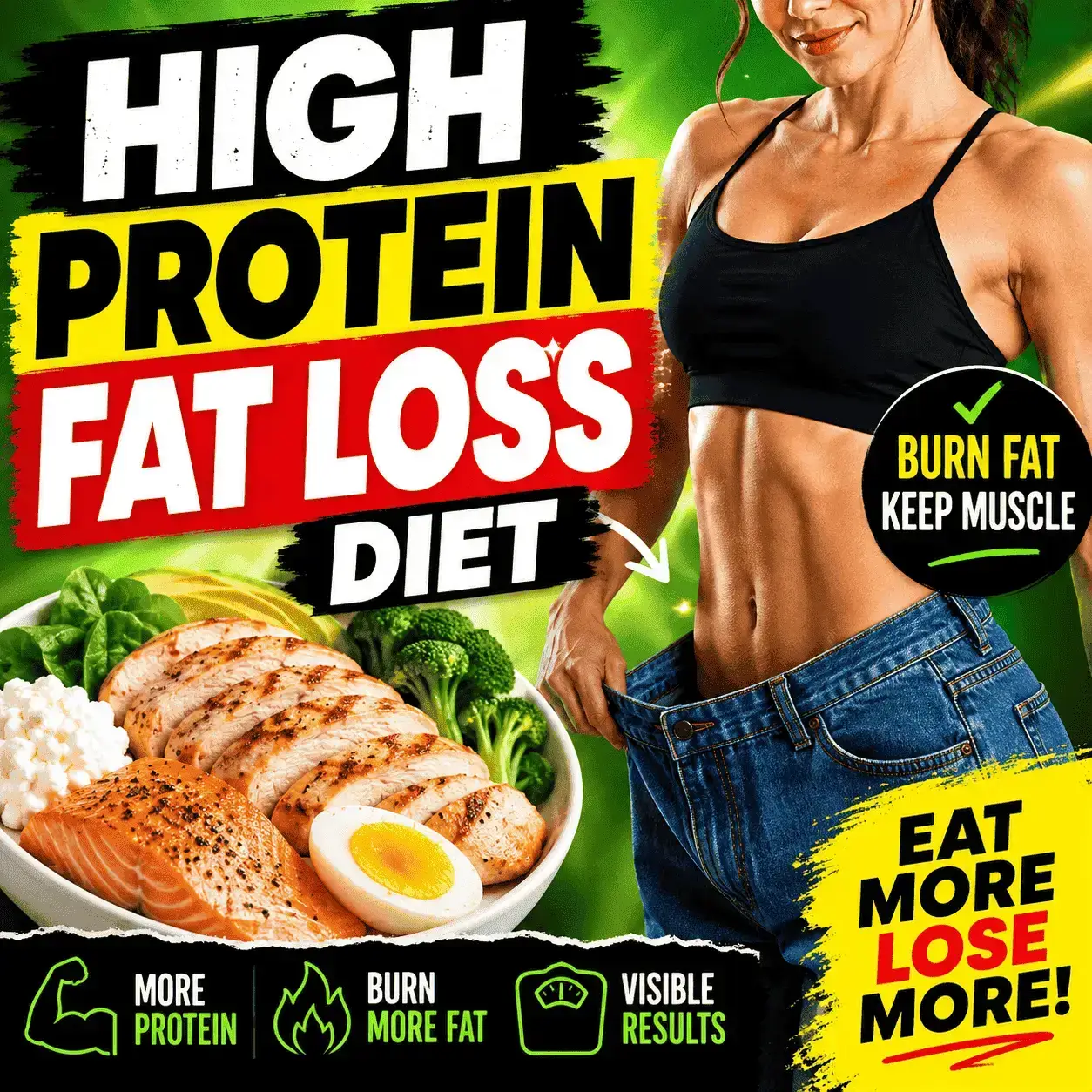
What a High-Protein Diet Actually Does During Fat Loss
Most diet advice treats protein like a magic word — drop it into a sentence and people feel like they’re doing something scientific. The actual mechanism is more boring and more reliable than the marketing version. Eating a high-protein diet during a calorie deficit does three structural things: it slows muscle breakdown, keeps hunger lower than it would otherwise be, and costs more calories to digest than fat or carbohydrate does. That’s the whole story of maintaining a healthy diet while managing weight. None of it is glamorous.
The muscle retention piece matters more than most people realise when they start trying to lose weight. Rapid fat loss without enough protein tends to pull lean muscle mass into the deficit — your body treats it as available fuel. Lose enough of it and your metabolism slows, your strength drops, and you end up lighter on the scale but proportionally worse off in terms of body composition. The goal isn’t just to reduce the number on the scale. It’s to reduce fat while keeping muscle intact, which is a different problem with a different solution.
Satiety hormones respond to protein differently than to fat or carbohydrates. Protein-rich meals tend to suppress ghrelin — the hunger signal — for longer. Not permanently; a high protein intake can help regain focus. Not magically. But enough to make maintaining a calorie deficit feel less like a psychological endurance test. Anyone who has tried to sustain a calorie deficit on mostly refined carbs knows what happens around 4 p.m. The hunger arrives like a bill collector.
The thermic effect of food adds a bit of arithmetic in your favour. Your body burns roughly 20–30% of protein’s calories just digesting it, compared to around 5–10% for carbohydrates and 0–3% for fat. Across an entire day, that gap produces a meaningful metabolic difference — not enough to replace a calorie deficit, but enough to make a high-protein diet structurally more efficient for fat loss than the alternatives.
How Much Protein Should You Eat to Lose Weight?
The short answer: most people actively trying to lose fat should eat between 1.6 and 2.2 grams of protein per kilogram of body weight per day. Sedentary adults at the lighter end of that range, active individuals or those with significant training histories at the higher end. Generic “eat more protein” advice without a number attached is mostly useless.
| Body Weight | Sedentary or Light Activity | Moderate Activity | High Activity or Resistance Training is essential for preventing muscle loss during weight management. |
|---|---|---|---|
| 60 kg | 96–115 g/day | 108–132 g/day | 120–145 g/day |
| 70 kg | 112–134 g/day | 126–154 g/day | 140–168 g/day |
| 80 kg is a common weight for individuals following a weight management plan for weight loss. | 128–154 g/day | 144–176 g/day | 160–192 g/day is often recommended for those following a high-protein diet for weight loss. |
| 90 kg | 144–173 g/day | 162–198 g/day | 180–216 g/day |
| 100 kg | 160–192 g/day | 180–220 g/day | 200–240 g/day |
These are working targets, not laboratory absolutes. The precision matters less than the consistency.
How Much Protein Should You Eat Per Kilogram of Body Weight?
Aim for 1.6 to 2.2 grams of protein per kilogram of body weight daily when pursuing fat loss to help you lose weight effectively. The lower end is adequate for most sedentary adults; the upper end becomes important when training is involved or when calorie restriction is aggressive enough to put muscle tissue at real risk, especially during a weight loss journey. Research consistently shows that protein intake at or above 1.6 g per kilogram of body weight during a calorie deficit preserves lean muscle mass significantly better than lower intakes — even when total calories are matched.
Most Canadians eating a typical diet land somewhere around 0.8–1.0 g per kilogram per day. That’s fine for basic health maintenance. It’s not enough when you’re actively trying to lose body fat without also losing muscle.
Does Protein Intake Change With Activity Level?
Yes, activity level raises protein needs — specifically resistance training, which places mechanical stress on muscle fibres that then require protein to repair and rebuild. Someone lifting weights four days a week while in a calorie deficit has a meaningfully higher protein need than someone doing light walking. Muscle protein synthesis requires a steady supply of amino acids, and training increases the window during which muscle tissue is actively repairing.
Aerobic-dominant athletes have somewhat lower protein requirements than strength-focused individuals, but they still generally need more than a sedentary person because sustained cardio at higher intensities can start breaking down muscle for fuel. The floor for anyone exercising regularly and trying to lose fat is probably around 1.6 g per kilogram of body weight — with resistance training pushing that closer to 2.0 g or above.
Why Spreading Protein Throughout the Day Works Better
Distributing protein evenly across meals — rather than eating most of it at dinner — produces better muscle protein synthesis outcomes. Three or four meals each containing 30–45 grams of protein gives your body repeated anabolic signals across the day. One large steak at 8 p.m. doesn’t replicate that.
The research on protein distribution is fairly consistent: muscle tissue responds to each feeding independently. You can’t bank 150 grams of protein in one meal and expect it to work like it was eaten in four sittings. The practical implication is that breakfast matters more on a high-protein diet than most people want to admit. Starting the day with 30–40 grams of protein shapes appetite and energy for the next several hours in ways that a carb-heavy breakfast simply doesn’t.
Best High-Protein Foods for Fat Loss
Not all protein sources are built the same — the protein content per calorie, the amino acid profile, the cost at a Canadian grocery store, and the actual palatability of eating that food repeatedly all matter. The foods that make a high-protein fat loss diet sustainable are not always the ones fitness influencers prefer to photograph.
| Food | Protein (per 100g) | Approx. amount of protein needed varies by individual. Calories | Protein per Calorie | Notes |
|---|---|---|---|---|
| Chicken breast (cooked) | 31 g | 165 kcal | High | Most economical lean protein at most Canadian grocery chains |
| Eggs (whole) | 13 g | 143 kcal | Moderate | Fast, versatile, complete amino acid profile |
| Greek yogurt (plain, 2%) | 10 g | 73 kcal | High | Higher protein per calorie than flavoured versions |
| Cottage cheese (1%) is a low-fat option that can help you add protein to your meals. | 12 g | 72 kcal | High | Underrated; high in casein protein |
| Salmon (cooked) | 25 g | 208 kcal | Moderate | Higher fat but includes omega-3s |
| Canned tuna | 26 g | 116 kcal | Very high | Budget-friendly; best protein-per-dollar at scale |
| Lentils (cooked) | 9 g | 116 kcal | Moderate | Also high in fibre; slow digesting |
| Tofu (firm) | 8 g | 76 kcal | Moderate | Lower protein than animal sources but affordable and filling |
| Whey protein powder | 25 g | 120 kcal | Very high | Convenient; quality varies significantly between brands, which is important to consider when planning your healthy eating. |
The comparison between animal and plant protein sources comes up constantly, and it’s worth having a clear-eyed view of what the actual trade-offs are rather than arguing about it ideologically.
| Protein Type | Leucine Content | Digestibility | Complete Amino Acids | Typical Cost per Gram of Protein |
|---|---|---|---|---|
| Animal protein (chicken, eggs, fish) | High | High (DIAAS 1.0+) | Yes | Moderate to high |
| Dairy protein (whey, casein, Greek yogurt) | Very High protein intake can support your goal to add protein in your diet effectively. | Very High | Yes | Moderate |
| Legumes (lentils, chickpeas, edamame) | Moderate | Moderate | No (low methionine) sources can be part of a healthy diet if balanced with other protein options. | Low |
| Soy protein (tofu, edamame) | Moderate | High | Yes | Low to moderate |
| Pea protein | Moderate | Moderate | Near-complete | Moderate |
Animal protein sources generally outperform plant sources on leucine content, which is the amino acid most directly tied to triggering muscle protein synthesis. That doesn’t mean plant protein is useless — it means plant-based eaters need to eat a bit more of it from varied sources to meet their high protein intake needs. Lentils and Greek yogurt together provide a better source of protein than lentils alone, supporting a high-protein diet. That’s not a complicated concept, but a lot of plant-forward diet advice glosses past it.
Chicken breast is the workhorse of high-protein diets because the maths work cleanly: cheap, lean, high in protein, available everywhere. The problem is that most people hit a wall with it by week three. Plain chicken breast cooked without effort tastes exactly like protein-shaped regret. The solution isn’t to stop eating it — it’s to stop cooking it badly. Spice rubs, different cuts, thighs instead of breast occasionally (slightly more fat, significantly more flavour), meal prep sauces that aren’t drowning in sugar. The protein source isn’t the problem. The monotony of poor preparation is.
Salmon is expensive at Canadian grocery prices right now, but it earns its place on a fat loss plan because it combines high protein content with omega-3 fatty acids that support metabolic function and inflammation reduction. Canned sockeye or pink salmon is a legitimate budget substitute — most of the nutritional value transfers, and the price per serving drops substantially.
Cottage cheese gets dismissed by people who haven’t eaten it since childhood. Low-fat or 1% cottage cheese is one of the highest protein-per-calorie foods you can buy, it’s typically cheap across Canadian grocery chains, and it’s a source of casein protein — which digests slowly and may help with overnight muscle protein synthesis if eaten as a late-evening snack. It deserves a second look.
Building a High-Protein Meal Plan That People Actually Follow
The meal plan people follow is almost never the one they planned on Monday. Life happens: leftover meetings, tired evenings, a forgotten lunch, a kid who won’t eat what you made. Any meal plan designed for a high-protein fat loss diet that doesn’t account for these realities is a theoretical exercise, not an eating plan.
The structural goal is straightforward: anchor each meal around a protein source first, then build the rest around it. Not the other way around.
| Meal | Example of a high protein diet plan includes various sources of protein and adequate hydration. | Approx. Protein |
|---|---|---|
| Breakfast | 3 whole eggs scrambled + 200 g plain Greek yogurt | 42 g |
| Mid-morning snack | 1% cottage cheese (150 g) + a handful of almonds | 20 g |
| Lunch | Large grilled chicken salad with chickpeas and tahini | 45 g |
| Afternoon snack | Whey protein shake with milk or unsweetened almond milk | 25–30 g |
| Dinner | 180 g salmon fillet + lentil side dish + steamed vegetables | 50 g |
| Total | ~180–190 g |
This is for an 85 kg person with moderate activity. Adjust portions up or down based on body weight and the targets from the table in the previous section to align with your weight management plan.
Breakfast is where most people fall apart on protein intake. A bowl of cereal, a piece of toast, maybe some fruit — that’s a 5–10 gram protein breakfast. The rest of the day becomes a game of catch-up that most people lose by evening. Front-loading protein — 35–45 grams at breakfast — changes how hunger patterns run across the day. It’s not the most convenient shift to make, but it pays off in reduced afternoon cravings and better overall protein distribution.
Lunch and dinner should each carry roughly 40–50 grams of protein for anyone chasing a daily target in the 160–200 gram range. That’s not a small serving. A standard restaurant chicken breast is often 150 grams cooked — which provides about 45 grams of protein. A full serving. Most home cooks underestimate how much food that actually is before they start measuring.
Are Protein Shakes Good for Weight Loss?
Protein shakes support weight loss specifically when they replace higher-calorie meals or snacks, not when they’re added on top of an already complete diet. A whey protein shake mixed with water or low-fat milk provides 25–35 grams of protein for 150–200 calories, which is an efficient way to hit daily protein targets without excess calories. Whether they help depends entirely on what they replace in your diet plan, not on anything inherently special about the powder itself.
The market for protein powder in Canada ranges from decent to deeply mediocre. Whey protein concentrate is the most common and the most affordable. Whey isolate has slightly higher protein per gram and lower fat and lactose content — better for people with lactose sensitivity, marginally more expensive. Casein powder works well as a slow-digesting option for a late-night snack when you’re short on daily protein. Plant-based options (pea, brown rice blends) have improved significantly and are worth considering in a balanced diet if dairy is off the table.
The thing nobody wants to say out loud about protein shakes: they’re mostly a convenience tool for people who find it hard to eat enough protein at breakfast or during a busy workday. They’re not superior to whole food. They’re faster. That’s the whole value proposition of a healthy diet focused on weight management.
Meal prep fatigue is real and it’s the primary reason people fall off high-protein diets after four to six weeks. Cold chicken on day four is genuinely unpleasant. Eating the same four meals in rotation becomes a form of dietary punishment. The solution is batch-cooking proteins only — not entire meals — and rotating flavour profiles. Prep a kilogram of ground turkey on Sunday. Eat it Monday in a taco bowl, Tuesday in a pasta sauce, Wednesday in lettuce wraps. The protein source is the same. The experience is different enough to sustain.
Common High-Protein Diet Mistakes That Slow Fat Loss
Most people who start a high-protein diet for fat loss hit a plateau not because the approach is wrong, but because they’ve made a handful of predictable errors that quietly eliminate most of the calorie deficit they thought they were running.
| Mistake | What It Looks Like | Why It Slows Fat Loss |
|---|---|---|
| Hidden calories in protein foods | Full-fat Greek yogurt, flavoured cottage cheese, peanut butter “snacks” | Protein label looks good; total calories quietly much higher |
| Relying on protein bars | Eating 2–3 bars per day for convenience | Many bars contain 25–30 g sugar per bar alongside the protein |
| Neglecting fibre intake | High meat, low vegetable diet | Reduced satiety, worse gut function, harder to sustain deficit |
| Inadequate hydration can negatively impact your overall health, especially on a high protein diet. | Not increasing water intake to match higher protein load | Kidneys processing more nitrogen; digestion slows; appetite signals blur |
| Chasing perfection | Abandoning the diet plan after one bad day or weekend can hinder overall health. | Inconsistency over weeks matters far more than one off meal |
Hidden calories are probably the most common problem in a high-protein diet for weight loss. Protein-rich foods often come packaged with significant fat content — some naturally, some from how they’re prepared. Full-fat Greek yogurt is a meaningfully different calorie load than 2% or 0%. Natural peanut butter is around 100 calories per tablespoon; most people who are “just having a spoonful” are actually having three. Flavoured protein products almost universally contain added sugar or sweeteners that don’t show up when you’re just scanning the protein number on the label.
Low fibre is the quiet killer of high-protein diets. Meat-heavy eating plans with minimal vegetables, legumes, and whole grains create digestive slowdowns that feel uncomfortable and that reduce satiety signals. Protein slows gastric emptying. Without fibre, the gut function gets sluggish. A diet high in protein and high in fibre — chicken breast alongside lentils and broccoli rather than chicken breast alone — performs substantially better for both hunger management and long-term digestibility.
Hydration often gets overlooked because it feels disconnected from diet. It isn’t. Protein metabolism produces more nitrogen waste than fat or carbohydrate metabolism does, and your kidneys need adequate water to clear it efficiently. Higher protein intake almost always requires higher water intake to support a healthy diet and prevent dehydration. Most people already drink too little. Eating more protein without drinking more water is a reasonable recipe for sluggishness, constipation, and reduced energy — all of which tend to be blamed on the diet rather than the dehydration.
Protein bars are marketed as a high-protein diet tool, and some of them earn that label. Many don’t. Read the sugar content, not just the protein content. A bar with 20 grams of protein and 25 grams of added sugar is closer to a candy bar with some amino acids thrown in than it is to a meal substitute. Two of those in a day and you’ve quietly added 200–300 calories in sugar to a diet you think is working well.
The perfection trap might be the most destructive mistake. A high-protein fat loss diet doesn’t require a flawless week. It requires adequate protein and a calorie deficit over weeks and months. One restaurant meal, one weekend of less-than-ideal eating, one missed meal prep Sunday — none of that meaningfully derails progress if the surrounding days are consistent. The people who lose the most fat on high-protein diets are rarely the ones with the most precise tracking. They’re the ones who kept showing up imperfectly for the longest time.
Sustainable Habits That Make High-Protein Diets Work Long Term
Short-term fat loss is a solved problem. Almost any calorie restriction strategy produces results for eight to twelve weeks. The actual challenge is what happens after — specifically, whether you keep the weight off, whether you kept the muscle you started with, and whether the diet you followed during fat loss has any overlap with how you’re willing to eat for the rest of your life.
A high-protein diet transitions to weight maintenance more smoothly than most low-protein approaches because the protein target doesn’t change much. During fat loss, the goal is roughly 1.6–2.2 g per kilogram. During maintenance, a similar range continues to protect muscle mass and keep appetite regulation functioning reasonably well. The calories go up; the protein strategy stays the same. That consistency makes the transition less jarring.
Resistance training is not optional if the goal is to maintain lean muscle mass during and after fat loss. Full stop. A high-protein diet without any resistance stimulus is a somewhat more expensive way to lose weight — it’ll help preserve muscle better than low protein, but it won’t build any back, and it won’t trigger muscle protein synthesis the way training does. Even two sessions per week of basic resistance work significantly improves the muscle-retention outcomes of any fat loss protocol.
Older adults need to pay specific attention here. After roughly age 40, the muscle protein synthesis response to protein becomes somewhat blunted — the body becomes less efficient at converting dietary protein into muscle repair. The practical correction is to eat toward the higher end of the protein range (closer to 2.0–2.2 g per kilogram of body weight) and to keep resistance training in the programme consistently. The loss of muscle mass that happens with aging — sarcopenia — accelerates during calorie restriction if protein intake is inadequate. It’s not a small risk. It’s a structural change that compounds over years.
Habit architecture matters more than willpower over six months. Nobody sustains a high-protein diet by being more disciplined every day — they sustain it by making it easier to eat the right things than not to. That means having pre-cooked protein in the fridge. It means knowing the two or three menu items at your regular lunch spot that hit your protein targets. It means having a default breakfast that takes four minutes and delivers 35 grams of protein. Willpower is finite and unreliable. Systems are durable, especially when they incorporate a balanced diet.
The biggest mistake at the maintenance stage is treating the diet like it’s over. Weight maintenance requires essentially the same behaviours as weight loss — adequate protein intake, general calorie awareness, consistent physical activity — just with less restriction and more flexibility. People who treat goal weight as a finish line where the old habits can return almost always regain weight within a year.
Protein needs to be the non-negotiable anchor in any long-term eating plan. Everything else — meal timing, specific foods, tracking frequency, calorie targets — can flex around it depending on the week. But the daily protein target, distributed reasonably across meals, every single day, is the thing that holds the whole structure together.